BOCCIA SPORTS FEDERATION OF INDIA

A Sport of Precision and Inclusion
Boccia is a unique and inclusive sport designed for athletes with severe physical disabilities, promoting skill, strategy, and precision. At Boccia India, we are dedicated to fostering the growth of Boccia by providing structured training, competitive opportunities, and a supportive environment for players to excel.
Boccia Rules
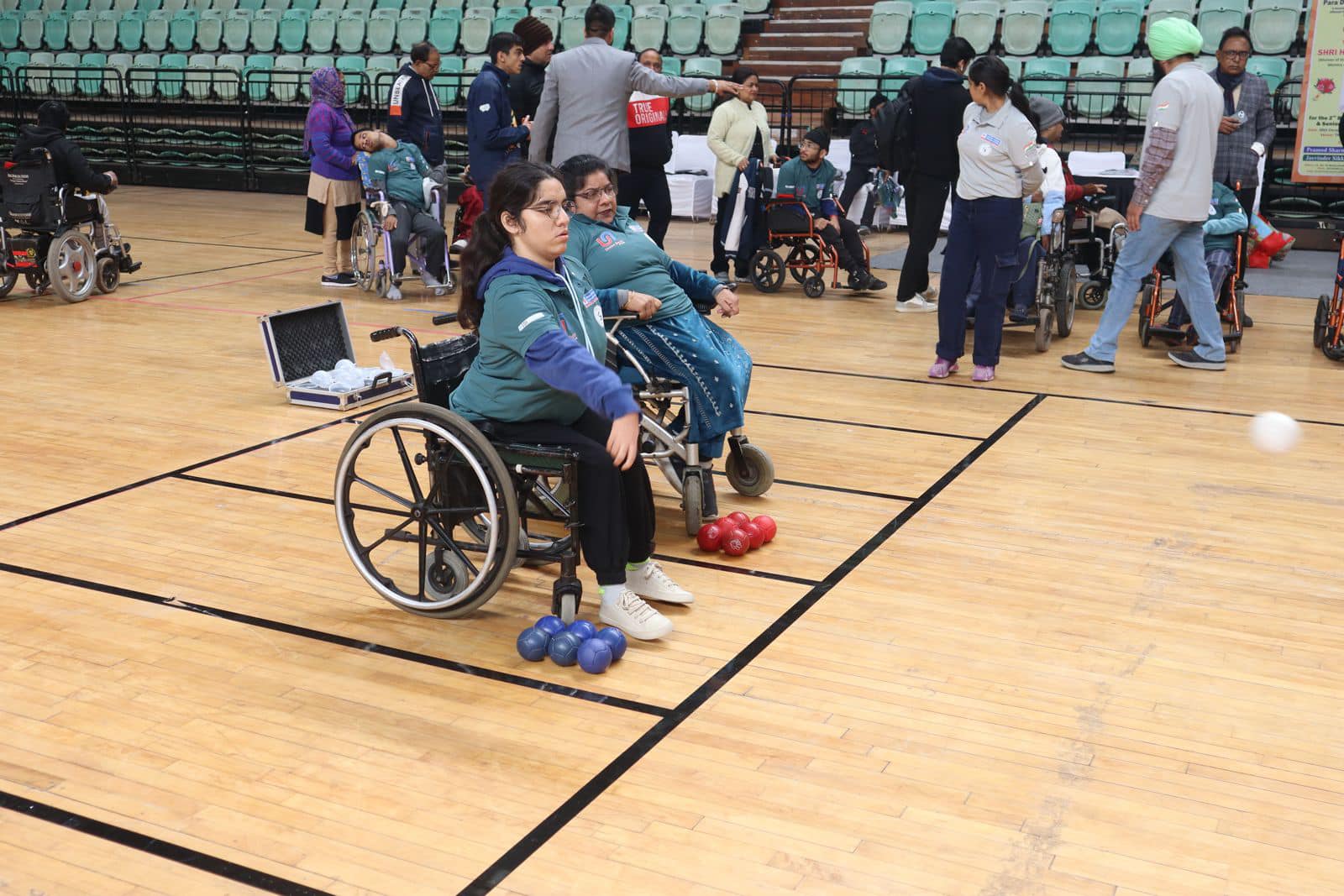
Beginners
Boccia is a target sport that is suitable for a wide range of participants. Boccia can be played by individuals, pairs, or teams of three and all events are unaffected by age or gender.
The aim is to throw leather balls, coloured either red or blue (which side gets which is determined by a coin toss), as close as you can to a white target ball, or jack. The balls can be thrown, kicked, or athletes can use an assistive device such as a ramp.
Boccia India uses rules from the International Federation, BISFed, for competitions in India with some variations
The ball licensing rules apply only to International Competitions
Refer to http://www.bisfed.com for the current rules, or click on link below.
Anti-Doping
The use of doping substances or doping methods to enhance performance is fundamentally wrong and is detrimental to the overall spirit of sport. Drug misuse can be harmful to an Athlete’s health and to other Athletes competing in the sport. It severely damages the integrity, image and value of sport, whether or not the motivation to use drugs is to improve performance.
We provide the best tennis programs
To achieve integrity and fairness in sport, a commitment to a clean field of play is critical. BISFed seeks to maintain the integrity of Boccia by running a comprehensive anti-doping program that focuses equally on education/prevention and on testing, with consequent sanctioning of those who break the rules.
Principles and values of clean sport
Anti-doping programs seek to maintain the integrity of sport in terms of respect for rules, other competitors, fair competition, a level playing field, and the value of clean sport to the world.
Anti-Doping
The spirit of sport is the celebration of the human spirit, body and mind.
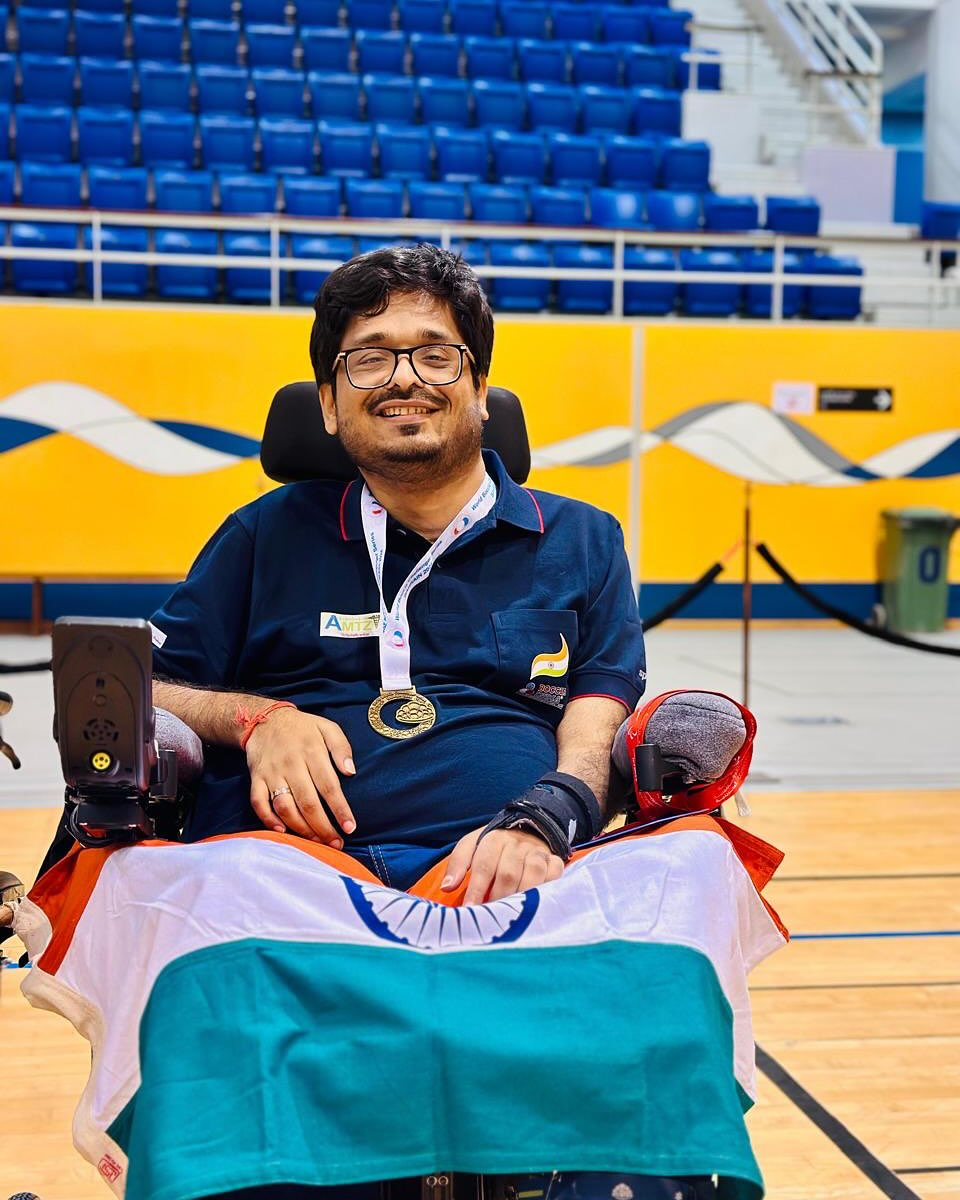
It is the essence of Paralympic and is reflected in the values we find in and through sport, including:
The spirit of sport is expressed in how we play true. BISFed embodies these values – we believe in a clean and fair field of play, and doping stands in direct contradiction to what Boccia represents.
Contact information
Other useful links:
Classification
For Competition Purposes, Athletes Are Classified Into One Of Four Classifications
BC1
Players in this class throw the ball with the hand or foot. They may compete with an assistant who stays outside of the competitor’s playing box, to stabilize or adjust their playing chair and give the ball to the player when requested.
BC2
Players in this class have severe locomotor dysfunction of all four extremities as well as poor trunk control. They can demonstrate sufficient dexterity to throw the ball onto the court. Players are not eligible for assistance.
BC3
Players in this class have very severe locomotor dysfunction in all four extremities. Players in this class have no sustained grasp or release action and although they may have arm movement, they have insufficient range of movement to propel a Boccia ball onto the court. They may use an assistive device such as a ramp to deliver the ball. They may compete with an assistant; assistants must keep their back to the court and their eyes averted from play.
BC4
Players in this class throw the ball with the hand. They are not eligible for assistance.
Equipment
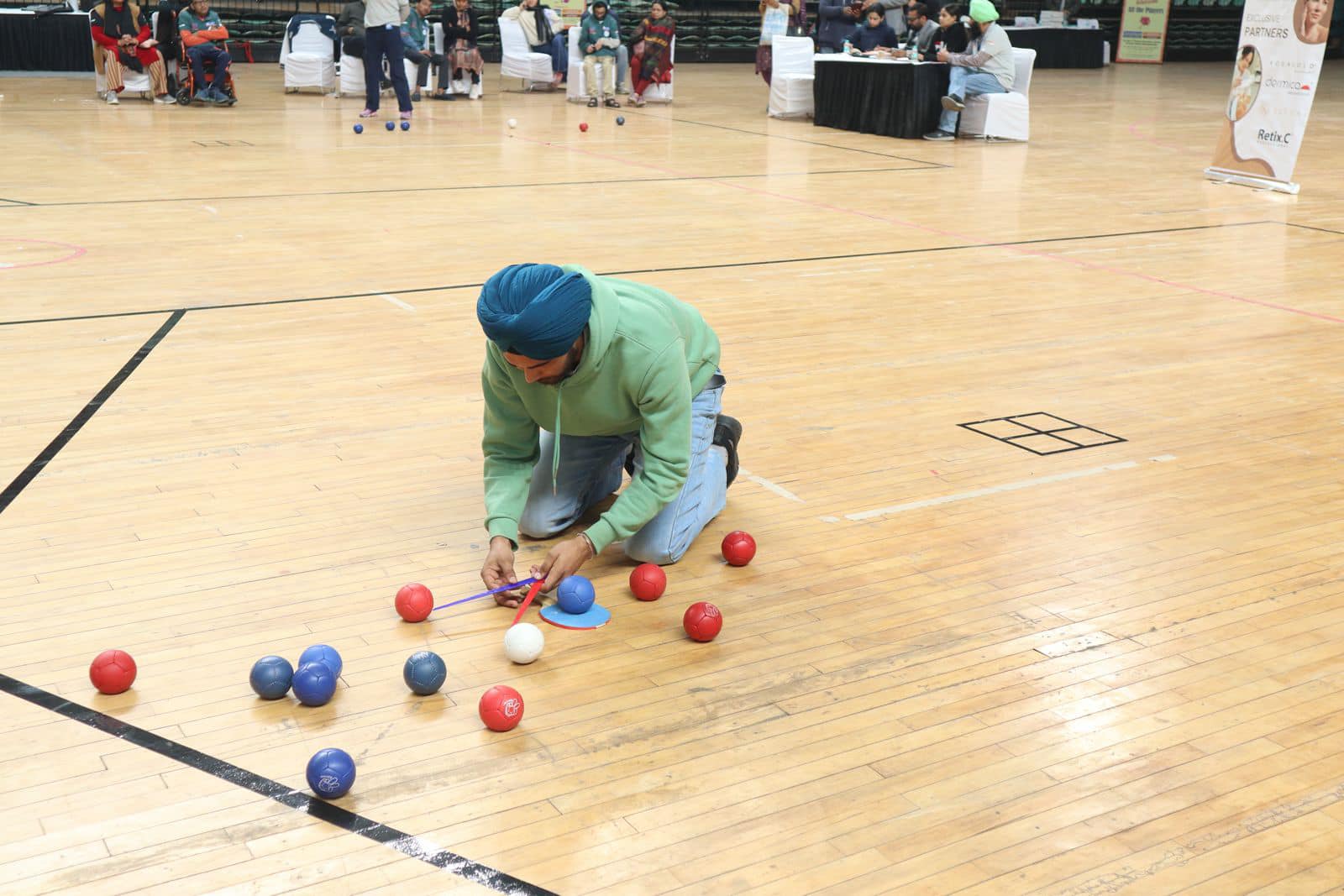
All testing devices required to conduct a tournament must be approved by the BISFed Technical Delegate and or Head Referee of each sanctioned event.
The ball must be allowed to roll under its own weight down a 290mm ramp consisting of a pair of aluminium bars centred 50mm apart. The ramp will be set at 25 degrees to the horizontal. When the ball exits the ramp, it must travel at least 175 mm in a straight line along the exit plate. A ball will pass if it exits the device on at least one of three attempts by falling off the exit plate.
The circumference of the ball should be 270 mm +/- 8mm and will be tested using a BISFed STANDARD template (of thickness 7 – 7.5mm) which contains two holes: one hole with a circumference of 262mm and one with a circumference of 278mm.
The weight of the ball should be 275 g. +/- 12 g. Each ball will be tested using a scale accurate to within 0.01g.
There are many Boccia Balls and Ramps on the market, all very much dependent on the level of Boccia you wish to play.
if you are interested to buy. kindly contact on
Email: Bocciaindia@gmail.com
Phone: 9855222006
Get Answers to Your Boccia Questions
Anti-doping rules exist for the same reason the other BISFed rules and regulations exist, which is to define different aspects of the sport in order to maintain excitement and to ensure fairness on the field of play. All rules and the fact that they are monitored and reinforced are designed to prevent any participant from taking an unfair advantage over another.
The use of doping substances or methods to enhance performance is not only wrong, but are also harmful to Athletes’ mental and physical health.
The first four Anti-Doping Rule Violations on the above list apply only to Athletes since they refer to the obligation not to take banned substances and the obligation to submit to testing. However, the remaining seven types of ADRVs apply to both the Athletes and the Athlete Support Personnel, such as coaches and team doctors, or anyone else working with the Athlete. National and International Federation administrators, officials and sample collection staff may also be liable for their conduct under the World Anti-Doping Code.
Simply put, everybody involved in Boccia must respect the World Anti-Doping Code and may be liable for committing an Anti-Doping Rule Violation.
o, neque qui velit. Magni dolorum quidem ipsam eligendi, totam, facilis laudantium cum accusamus ullam voluptatibus commodi numquam, error, est. Ea, consequatur.
Paralympic sport exists so that athletes with a disability have equal opportunities to compete and be successful in sport. Classification groups athletes who have similar impairments together into classes for competition in their particular sport. Each Paralympic sport has a different classification system.
Each sport specific classification system details the impairment types within their sport. Athletes are required to provide medical documentation for classification that details their impairment type and level of impairment. There are specific minimal impairment criteria that athletes must meet in order to be eligible for the sport. This is determined through a classification assessment.
By grouping similar athletes together, an athlete’s disability plays less of an impact on the outcomes of competition. This means that classification helps to allow the fastest, strongest or best athletes in each class to succeed in their sport.
If you want to compete in Boccia as an athlete with a disability, you must undergo a sports-specific classification assessment and hold a classification class. This isn’t required for general participation or social involvement in Boccia.
Let’s create a better future through sport and inclusion.
Joining Boccia India is not just about playing a sport—it’s about being part of a movement that empowers individuals and breaks barriers. As a member, you’ll have access to training, events, and opportunities to compete nationally and internationally.

